Oak Grading
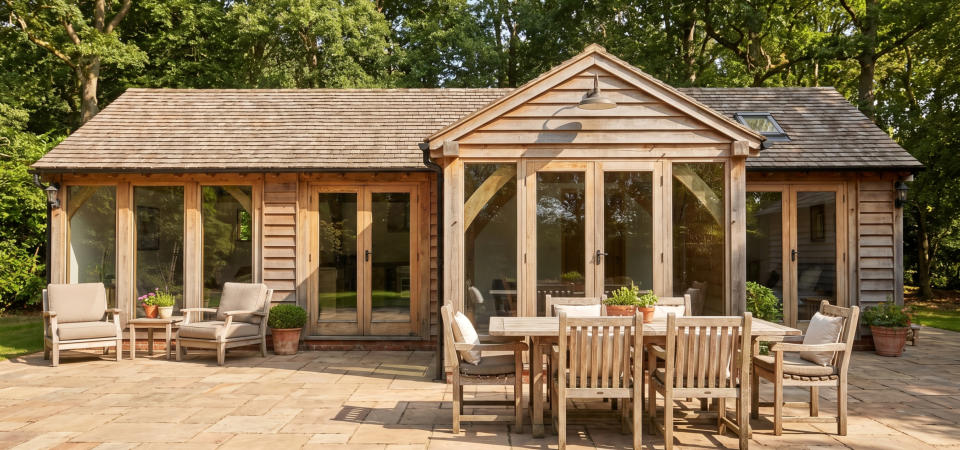
For oak beams/timber, the grades basically describe appearance quality and structural strength. Habitable buildings are usually constructed from QPA grade and Garages and shelters from QP1.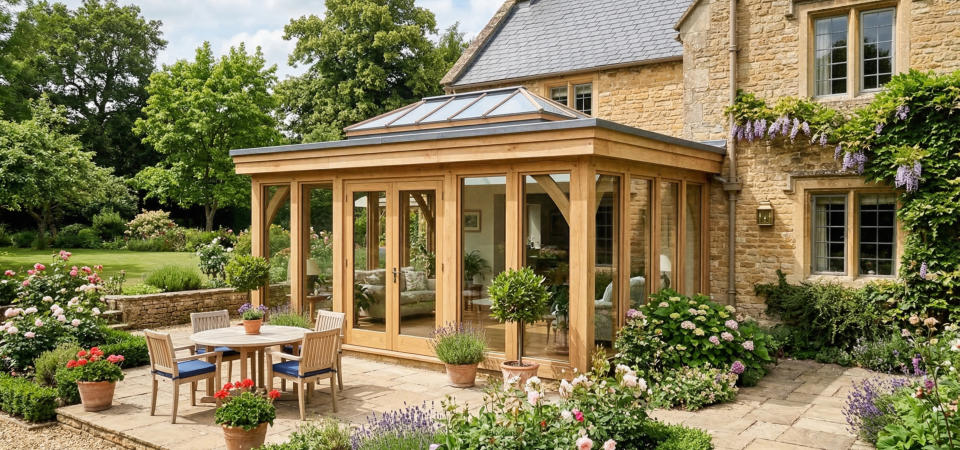
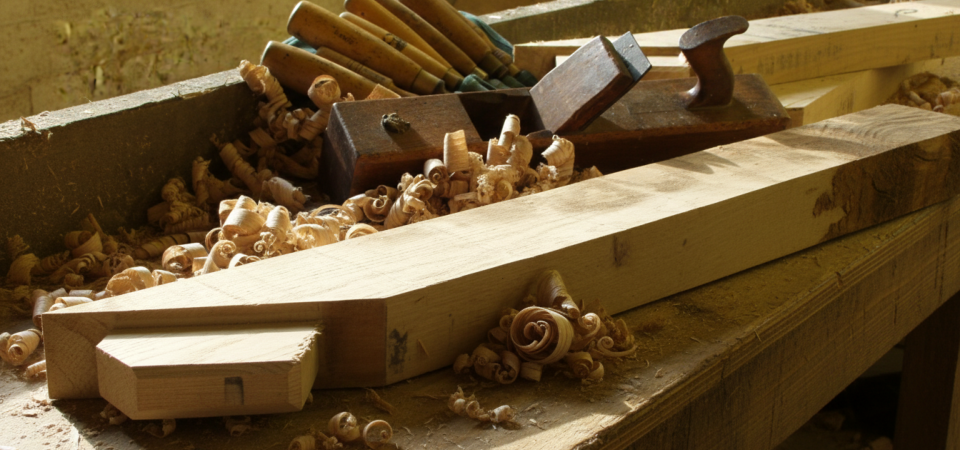
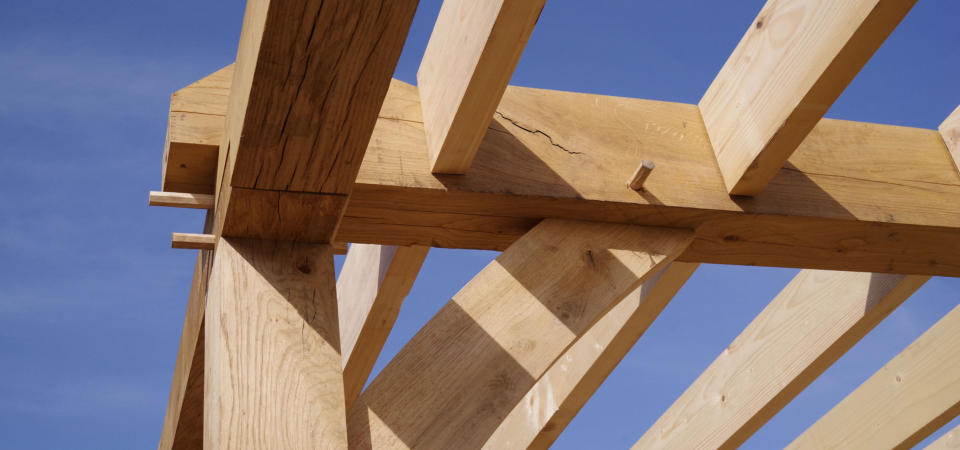
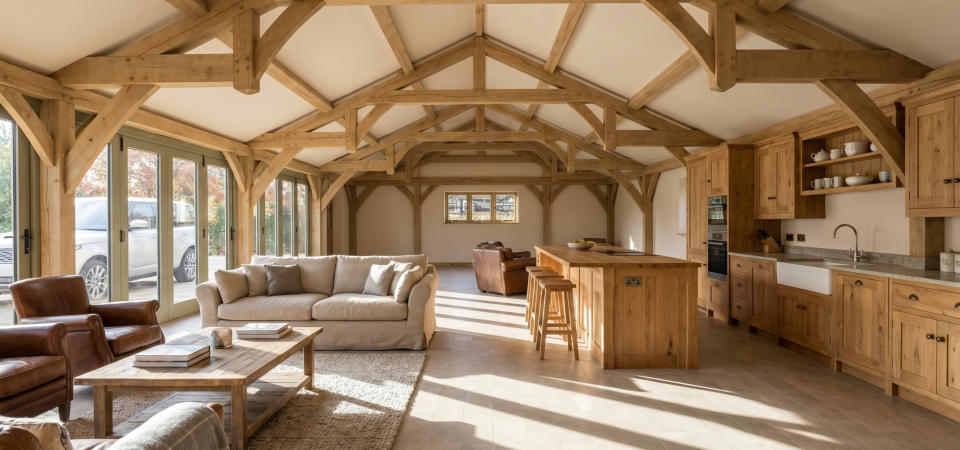
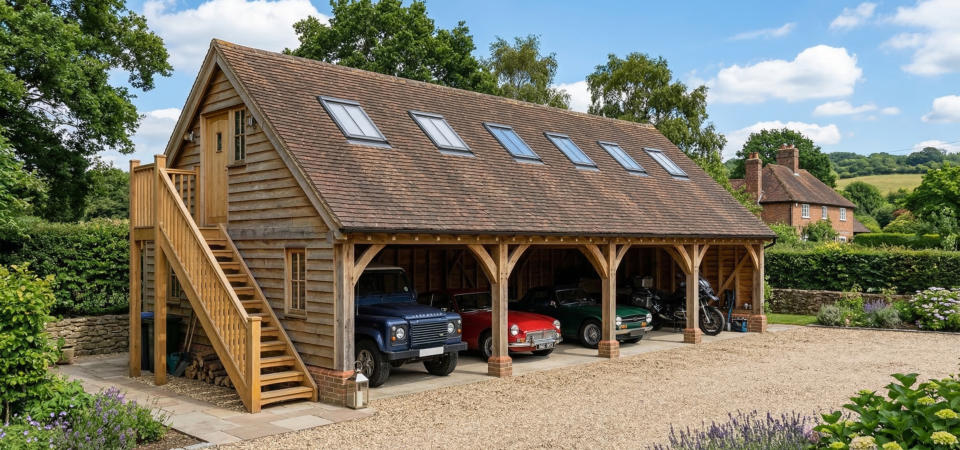
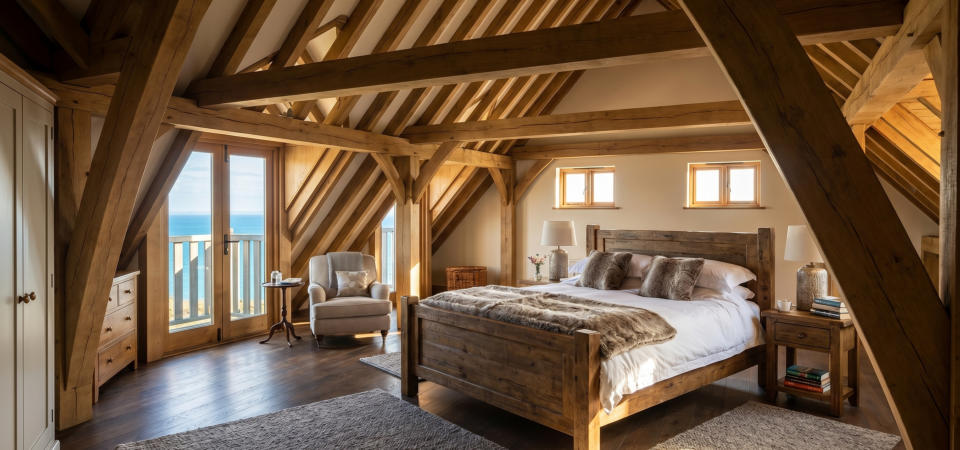
Different grades - different quality
QPA - highest structural/visual grade QP1 - good structural grade with more character QP2 - lower appearance grade, more knots/defects, usually non-structural or decorative Here’s the practical difference:QPA
• Cleanest beams • Tightest grading rules • Smaller knots allowed • Less grain deviation • Few visible imperfections • Common in high-end oak framing and exposed beams Equivalent to around D30 structural grade.QP1
• Still structurally usable • More natural character permitted • Larger knots and some discoloration allowed • Most common grade for structural oak frames Equivalent to around D24 structural grade.QP2
• More rustic and appearance-led • Bigger knots, shakes, sapwood, and defects accepted • Usually cheaper • Often used for mantels, decorative beams, garden structures, or furniture where “character” is desired QP2 is less consistently defined between suppliers, but it is generally considered below QP1 in quality.
Grade
Quality
Appearance
Structural strength
QPA
Premium
Few knots, cleaner grain, fewer defects
Highest (roughly D30)
QP1
Standard structural
More knots and character allowed
Good structural (roughly D24)
QP2
Rustic/utility
Large knots, cracks, sapwood, more variation
Usually not specified for structural use
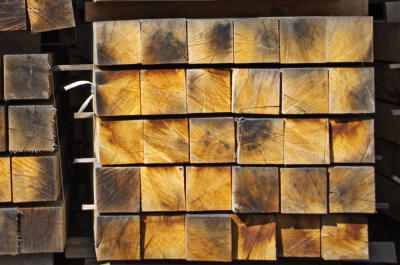

Oak Grading
For oak beams/timber, the grades basically describe appearance quality and structural strength. Habitable buildings are usually constructed from QPA grade and Garages and shelters from QP1.Different grades - different quality
QPA - highest structural/visual grade QP1 - good structural grade with more character QP2 - lower appearance grade, more knots/defects, usually non-structural or decorative Here’s the practical difference:QPA
• Cleanest beams • Tightest grading rules • Smaller knots allowed • Less grain deviation • Few visible imperfections • Common in high-end oak framing and exposed beams Equivalent to around D30 structural grade.QP1
• Still structurally usable • More natural character permitted • Larger knots and some discoloration allowed • Most common grade for structural oak frames Equivalent to around D24 structural grade.QP2
• More rustic and appearance-led • Bigger knots, shakes, sapwood, and defects accepted • Usually cheaper • Often used for mantels, decorative beams, garden structures, or furniture where “character” is desired QP2 is less consistently defined between suppliers, but it is generally considered below QP1 in quality.
Grade
Quality
Appearance
Structural strength
QPA
Premium
Few knots, cleaner grain, fewer defects
Highest (roughly D30)
QP1
Standard structural
More knots and character allowed
Good structural (roughly D24)
QP2
Rustic/utility
Large knots, cracks, sapwood, more variation
Usually not specified for structural use
 About
 Products
 Quotations
 Technical
 News
 Blog
 Inspiring Oak Frame Extension Ideas for Your Home
- Which Extension Style Should You choose?
 Jungle of Regulation Is Choking Small-Scale Development
 Is an Oak Frame Conservatory the Perfect Extension for Your Home?
 Oak Frame Flat Roof Extensions
 What should I consider when designing an oak frame extension?
 Contact
 Frequently Asked Questions
 Self Build
 Oak Frame Design
 Grades of Oak
 Longevity of Oak
 Services
 The Process
 Design Requirements
 Site Preparation
 Sustainability
 Construction Methods
 Feasibility Study
 Gallery
 Garages
 Single Storey Garages
 Two Storey Garages
 Garage Complexes
 Extensions
 Garden Rooms
 More Info
 Conservatories
 More Info
 Traditional Orangeries
 Mansard Orangeries
 Garden Buildings
 Annexes
 Entertainment Spaces
 Home Offices
 Shelters
 Pool Buildings
 Stables
 House Designs
 Commercial
 Barn Buildings
 Sport Buildings
 Bespoke Buildings
 Single Storey Garage
 Two Storey Garage
 Garden Rooms, Orangeries & Offices
 Design
 Architectural Design
 Case Studies
 Oak Framing History
 Glossary of Oak Framing
 Oak Patina
 Garage Frame Sections
 Cladding
 Planning
 Planning Reports
 Building Regulations
 Non-Designated Heritage Assets
 Caravan Sites
 Groundworks
 Assembly
 Supply Only Kits
 Turnkey Projects
 Joinery
 Glazing Options
 Lanterns
 Roof Works
 Roof Styles
 Roof Trusses
 Roof Tiling
 Albion Oak
 Employee of the Month
menu html5 by Css3Menu.com


© Albion Oak Ltd. Need help? Contact us on 07967 778808


© Albion Oak Ltd. Need help? Contact us on 07967 778808